

Sustainability · 2025
In this section53 topics
- Sustainability Policy & Goals — Overview1 item
- Sustainability Policy1 item
- Sustainability Goals & UN SDGs3 items
- Policy Review3 items
- Business Value Chain1 item
- Stakeholder Analysis1 item
- Environmental Sustainability — Overview1 item
- Environmental Policy & Guidelines4 items
- Environmental Policy Review3 items
- Energy — Plan & Guidelines3 items
- Energy — Electricity Consumption1 item
- Energy — Fuel Consumption2 items
- Energy — Targets3 items
- Energy — Performance & Outcomes1 item
- Water Management — Overview1 item
- Water — Plan & Guidelines2 items
- Water — Withdrawal, Discharge & Consumption1 item
- Water — Targets2 items
- Water — Performance & Outcomes3 items
- Waste — Plan & Guidelines3 items
- Waste — Generation, Disposal & Recycling1 item
- Waste — Targets2 items
- Waste — Performance & Outcomes2 items
- GHG — Plan & Guidelines3 items
- GHG — Emissions1 item
- GHG — Emissions Verification3 items
- GHG — Principles & Standards1 item
- GHG — Targets2 items
- GHG Targets — Other Targets1 item
- GHG — Performance & Outcomes2 items
- Environmental Legal Incidents2 items
- Social Policy & Guidelines4 items
- Social Policy Review3 items
- Social — Principles & Standards Practised2 items
- Human Rights Due Diligence1 item
- Employees — Plan & Guidelines4 items
- Employees — Workforce2 items
- Employees — Remuneration & Provident Fund1 item
- Employees — Training & Development1 item
- Employees — Occupational Health & Safety2 items
- Employees — Labour Relations1 item
- Employees — Employee Representation3 items
- Employees — Targets2 items
- Employees — Performance & Outcomes2 items
- Customers — Plan & Guidelines3 items
- Customers — Satisfaction Results1 item
- Customers — Targets2 items
- Customers — Performance & Outcomes2 items
- Community & Social — Plan & Guidelines4 items
- Community & Social — Targets2 items
- Community & Social — Performance & Outcomes3 items
- Other Social Management1 item
- Law Violation Incidents2 items
Sustainability Policy & Goals — Overview
Introduction
Overview of the Policy and Procedures Relating Sustainable Management
Conducting Business with Fairness and Sustainability
The Company operates a policy of free and fair-trade competition in accordance with the legal framework in the country in which the Company operates the business to cope with the treatment of business partners as the rules for the benefit of partners, customers including all groups of stakeholders for the sustainability of all parties.
In order to be consistent and in the same direction as the business operation reflecting the intention to develop businesses that are concerned with the environment, society, good corporate governance and covering all groups of stakeholders, apart from the Business Code and Corporate Governance Policy, the Company has clearly defined policies and guidelines on various matters in the Employee Code of Conduct. It is published on the Company's website http://www.rclgroup.com as well as communicated to employees to raise their awareness and acknowledge of these matters annually.
The RCL Code of Conduct governs the followings:
Attitude towards RCL
Usage of the name “RCL”
Personal ethical core values
Relationship with fellow colleagues
Competitor, partner and supplier relationships
Sexual, other unlawful harassment and workplace violence
Confidential information
Use of E-mails, Internet, information access, software, telecommunication facilities and office equipment
Environment and society
Personal privacy
Anti-Corruption
Whistle Blower
Human Rights
The Company has published the Policy on the Company’s website under Sustainability, topic Sustainability Overview.
In addition, the Company promotes a conducive working environment by establishing 5 core values (ATRCL) to guide the staffs of all levels in the RCL Group:
A - Accountability
T - Teamwork
R - Result Orientation
C - Customer Focus (external and internal)
L - Leadership with Integrity
The Company realized that only leadership in staffs is not enough. It should be together with moral and good governance. Therefore, the Company recognizes and cultivated employees with leadership in good governance as our core value No. 5 “Leadership with Integrity”.
The Company’s vision and mission are as follows:
Vision
A trusted and reliable regional container carrier and logistics provider committed to quality, sustainability, efficiency and innovations.
Mission
To be trusted as a reliable Asian container carrier and logistic service provider
To positively contribute to our environment and society
To strengthen our liner and feeder service network to create an accessibility of trade to the different parts of Asia, India ISC and the Mideast
To provide a swift and utmost quality of service to our customers
To closely work with our business partners to expand our service and reach to our new and existing customers
To Digitize our tools, processes, enhance situation awareness to be an efficient service provider (CP)
To be a container shipping specialized assistant to our customers
To provide the value-added logistics solutions to meet the customer demand.
The Materiality Assessment information was disclosed in the Company’s 2025 Sustainability Report.
Sustainability Policy
Has a Sustainability Policy
No
Sustainability Goals & UN SDGs
Has Sustainability Goals
Yes
Goals Description
RCL has established sustainability management goals in accordance with the International Maritime Organization (IMO) standards, outlining a comprehensive strategy to reduce greenhouse gas (GHG) emissions from maritime transportation. This strategy is structured into three distinct phases:
Short-term measures prioritize enhancing vessel energy efficiency and reducing carbon intensity through the following key initiatives:
Existing Ship Energy Efficiency Index (EEXI): A technical measure designed to improve the energy efficiency of existing vessels.
Carbon Intensity Indicator (CII): An operational measure aimed at reducing carbon intensity, subject to review on 1st January 2026.
The mid-term measures emphasize the transition towards sustainable energy sources by integrating both technical and economic mechanisms, including:
Maritime Fuel Standards: Regulations to control and reduce the GHG intensity of marine fuels.
GHG Emission Pricing Mechanism for Maritime Transport: An economic measure to incentivize emission reductions. These measures are anticipated to receive approval by 2025 and come into effect by 2027.
The long-term measures aim to achieve zero GHG emissions from maritime transportation through the following strategic approaches:
Adoption of Clean Energy Technologies: By 2030, at least 5% (with a target of 10%) of energy used in international maritime transport must be sourced from zero or ultra-low GHG emission technologies.
Development and Utilization of Alternative Fuels: Accelerating the development and deployment of alternative fuels to expedite the achievement of GHG emission reduction targets.
These measures collectively aim to support an equitable energy transition while significantly mitigating the environmental impact of international maritime transport.
UN Sustainable Development Goals
| SDG Goal |
|---|
| Goal 3 Good Health and Well-being |
| Goal 5 Gender Equality |
| Goal 7 Affordable and Clean Energy |
| Goal 8 Decent Work and Economic Growth |
| Goal 9 Industry, Innovation and Infrastructure |
| Goal 13 Climate Action |
| Goal 14 Life below Water |
Policy Review
Policy Reviewed This Year
Yes
Policy Changed This Year
Yes
Review Details
Over the past year, the Company has reviewed and further developed its sustainability management targets to ensure alignment with relevant international standards, international and country-specific regulations, as well as compliance with applicable international conventions. Key developments include greenhouse gas management and the establishment of greenhouse gas emission reduction targets, biodiversity management, enhancements to occupational health and safety registration requirements, and the provision of occupational health and safety training for employees at all levels.
In addition, in 2025, the Company announced its intention to join the “Private Sector Collective Action against Corruption (CAC)” and became a member of the “United Nations Global Compact (UNGC)”, demonstrating its commitment to conducting business with integrity, transparency, and sustainability. Details of these developments and related initiatives are described in the relevant sections of the Company’s report.
Business Value Chain
Value Chain Description
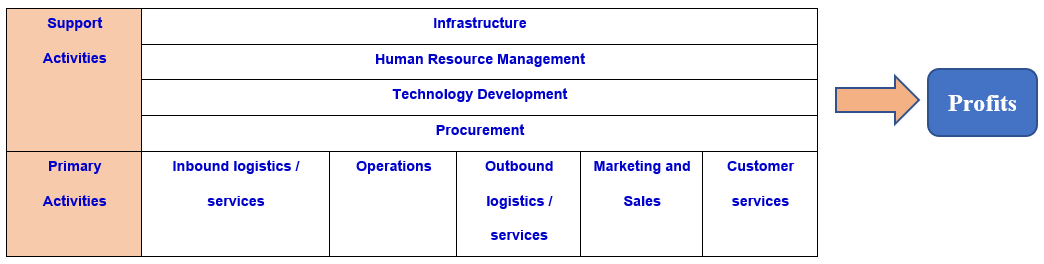
Primary Activities
Inbound logistics/services | Operations | Services | Marketing and Sales | Customer services |
To provide container shipping line services | Container shipping by vessel with service routes | Provides shipping delivery services | Through the representative office | cargo tracking system, customer service |
Support activities
Supporting activities to drive the Company's main activities to be carried out continuously and efficiently.
1. Infrastructure
The Company has taken care of, developed, and improved the important work systems in the Company's business to be up-to-date all the time to be able to serve customers quickly, accurately and efficiently, such as accounting and finance systems. E-commerce system.
The Company also expanded our infrastructure to bring in new facilities to support the new normal with well-secured control features. We focused on customer digital-centric due to the changing of business practices and customers’ requests for more digitalization.
2. Human Resources Management
Having realized the importance of employees as a valuable resource that drives the Company, RCL promotes the performance management system, training roadmap, and staff development. In-house trainings have been arranged to improve staff’s knowledge and competencies, as well as sponsoring public courses relating to the Company’s business operations organized by domestic and overseas institutions, especially environmental training. The Company has increased efforts to value-add the skills for career advancement through job rotations and promotion.
In addition, the Company appropriately remunerates the staff both in the short-term (bonus for employees based on performance appraisal) and long-term (provident fund). Such remuneration is based on the staff’s knowledge, accountability, and performance. In addition, the Company also arranges employee welfare; accident and health insurance, as well as performance-based annual rewards, and long-service awards, are provided by the Company for all levels of staff. Furthermore, the Company registered a provident fund scheme under the Provident Fund Act B.E. 2530.
Furthermore, the Company provides an annual health check for employees at all levels, safety practices for fire drills annually, established an Occupational Safety, Health, and Environment Committee (OSHE Committee) and conducted comprehensive training on the roles of Safety Officers across all levels to actively monitor and prevent workplace accidents, and also provides exercise activities such as yoga, badminton, and football etc.
Apart from that, IT systems and applications are continuously upgraded to better support staff handling their routines as well as to enhance human resources management and development.
3. Technology Development
The Company has adopted the latest technology such as robotics and digitalization to help us further our internal process efficiency and foster customer relationships.
With the gaining importance of ship management, some improvements were made in vessel systems for a better overview of fleet operation, performance, as well as cost control. Additionally, we also implemented the cyber security policy to comply with IMO 2021 cyber security regulations.
The Company’s technology team has developed a system related to expenses to support effective cost management, for example, developing Dangerous Goods to make the reservation system more efficient, cost management. In addition, the technology team has also developed and improved the management of the leasing system and container maintenance and repair system to be more efficient with the objective of reducing costs. Furthermore, the Company has integrated advanced technology into its ‘BhumSmart’ service, which features specialized container installations designed to elevate safety and security while ensuring the total integrity of the cargo throughout the supply chain.
4. Procurement
The Company is committed to sustainability and responsible environmental stewardship. As part of our dedication to reducing our ecological footprint and promoting sustainable practices, the Company has developed this Green Procurement Policy. The policy outlines the commitment to integrating environmental considerations into our procurement processes, with a particular focus on the Company’s suppliers and their sustainability efforts.
Objectives
Green Procurement Policy aims to:
Promote the selection of suppliers who share our commitment to environmental sustainability and responsible business practices.
Prioritize the procurement of goods and services that are environmentally friendly, energy-efficient, and sourced sustainably.
Reduce waste, minimize environmental impact, and conserve resources throughout our supply chain.
Comply with applicable environmental laws, regulations, and industry standards.
Encourage continuous improvement in environmental performance among our suppliers.
Supplier Sustainability Expectations
In alignment with the Company’s commitment to sustainability, it is expected our suppliers to:
Adhere to ethical and transparent business practices, as outlined in the Company’s Supplier Sustainable Code of Conduct.
Strive for excellence in environmental performance, actively working to reduce their environmental impact and promoting sustainable sourcing.
Comply with all relevant environmental laws and regulations.
Promote responsible waste management, resource conservation, and energy efficiency within their operations.
Collaborate with us in assessing and improving their sustainability practices, which may include audits, assessments, and shared sustainability goals.
Stakeholder Analysis
Stakeholder Analysis
| Stakeholder Type | Stakeholders | Stakeholder Expectations | Response to Expectations | Communication Activities |
|---|---|---|---|---|
| External stakeholders | 2913 · Description: Shareholders | • Generating stable and sustainable returns
• Business development, usage of innovation and technology
• Good corporate governance and risk management in business operations
| • Generate the suitable returns
• Communication to the shareholders, offers the opportunity to shareholders to express their opinions to the Company
• Provide transparent information in a timely manner
| 2941 · Description: Online Communication · 2944 · Description: Annual General Meeting (AGM) · 2949 · Other name: Opportunity Days arrangements · Description: Others · 2949 · Other name: Investor Relations page on the Company’s website. · Description: Others · 2949 · Other name: Publish telephone communication channel. · Description: Others |
| External stakeholders | 2923 · Description: Customers | • Getting the appropriate service that meets the needs. | • Customers are supplied with the necessary information on the Company’s services and commercial activities via various communication channels.
• Customers can use the Company’s website where they are able to access information on the ports of service, vessel fleet, sailing schedules, container specifications, oversized cargo, dangerous goods, e-services, etc., select destination port, check departure / arrival schedules of the vessels and container box position during the shipment.
• Contact agents at their respective locations for above information, as well as freight rates and other details.
• The Company assigns local agents, either its own subsidiary or appointed agent, at every port of service to attend to its customers, efficiently and quickly to accommodate their needs in selecting their desired services.
| 2941 · Description: Online Communication · 2943 · Description: External Meeting |
| External stakeholders | 2899 · Description: Suppliers | • Fair, transparent, and non-discriminatory treatment of all business partners
• A well-defined, transparent, and auditable procurement and sourcing process
• Clear, accurate, and timely communication of information, business requirements, and commercial terms
• Respect for and adherence to human rights and labor standards throughout the entire supply chain
| • The Company applies clear, fair, and auditable criteria in the selection of business partners.
• The Company has established fair and transparent procurement and sourcing policies.
• The Company has implemented a Supplier Code of Conduct covering human rights, labor practices, occupational health and safety, and business ethics.
| 2940 · Description: Social Event · 2941 · Description: Online Communication |
| External stakeholders | 2928 · Description: Society | • Maritime Compliance, which is the International Convention on the Prevention of Pollution from Ships (MARPOL Convention 73/78).
• International Maritime Organization (IMO) Requirements related to Greenhouse Gas (GHG) Emission Reduction for ships.
| • RCL seeks to comply with the provisions of health, safety and environment of the local laws, one of which is the adherence to international conventions, such as the International Maritime Organization's codes to preserve the social and public environment.
• The Company has activities to take care of society and the public.
• RCL continues to study the optimum method for mid-and long-term GHG reduction measures with Carbon Capture, Utilization, and Storage (CCUS) technology.
| 2940 · Description: Social Event · 2941 · Description: Online Communication · 2943 · Description: External Meeting |
| Internal stakeholders | 2921 · Description: Employees | • Career growth and advancement.
• Reasonable compensation and welfare.
• A safe, healthy, and conducive working environment.
| • The Company has increased efforts to value-add the skills for career advancement through job rotations, both domestic and international, promote and appropriately remunerate the staff, taking into consideration their knowledge, accountability, and performance.
• The Company promotes the Performance Management System (PMS)
• Training Roadmap, staff development. In-house trainings are arranged to improve staff’s knowledge and competencies, as well as sponsoring public courses
• The Company provides both a short-term bonus and a long-term provident fund.
• The Company has a system of developing the potential of employees, called Job Rotation, both within departments, across departments, and internationally to achieve work rotation in the organization, a succession plan, and personal development in various positions.
• IT systems and applications are continuously upgraded to better support staff handling their routines.
• The Company provides accident and health insurance, as well as performance-based annual rewards and long-service awards for all levels of staff.
• Appointing the Occupational Safety and Health Committee (OSH Committee)
• Appointing and conducting training sessions for Safety Officers at all levels to monitor and prevent workplace accidents.
• The Company registers a provident fund and annual medical check-up for all staff.
• The Company has organized activities such as sports (football, badminton, yoga, etc.) and various forms of competition to promote good health and the relationship between the company and employees.
• The Company maintains cleanliness in accordance w/ Occupational Safety and Health regulation
• To organize online meetings between the executive and all employees in Thailand and at abroad.
• To promote ONE RCL for collaboration among employees throughout the Company uses up-to-date technologies for employees for easier and more convenient working.
| 2940 · Description: Social Event · 2941 · Description: Online Communication · 2942 · Description: Internal Meeting · 2945 · Description: Complaint Reception · 2947 · Description: Satisfaction Survey · 2948 · Description: Training / Seminar · 2949 · Other name: Training for Safety Officers (SO) to Enhance Safety Awareness. · Description: Others · 2949 · Other name: Incident and near-miss reporting channels · Description: Others |
Environmental Sustainability — Overview
Operating Results — Introduction
The Company complies with international law regulations, country-specific laws including compliance with international conventions, such as the rules of the International Maritime Organization to maintain the social and public environment.
Environmental Policy & Guidelines
Introduction
The Group operates on three core lines of business, namely; Shipper-Owned-Container (SOC), Carrier-Owned-Container (COC), and Value-added logistic services. Therefore, the Company is committed to reducing the negative impact on the environment, whether it is the emission of pollution, waste into the sea, which will affect the marine ecology as well as power consumption including reducing air pollution, such as reducing greenhouse gas emissions from the Company's business operations. The Company has established goals for energy management, water resource management, waste management, and/or pollution reduction.
In addition, the Company published policy and guidelines on the environment on the company website under “Sustainability”, topic “Environmental Dimension”.
Has an Environmental Policy
Yes
Policy Description
The Company is committed to preventing and reducing environmental impacts from maritime operations. To provide environmental guidelines across the organization and ensure that masters, crew members, and employees of the Ship Management Department understand and follow these practices, the Company shall:
Conduct all activities in compliance with environmental laws and regulations in every country where vessels call for cargo operations.
Carry out navigation, cargo handling, and all service-provider activities in a manner that prevents and reduces environmental impacts.
Review and manage existing and potential environmental risks through the vessel and Fleet Management Department’s risk management processes and incorporate environmental risk information into shipboard operations.
Disclose environmental performance and project results against targets to the public.
Continuously improve and strengthen collaboration with service providers to jointly reduce environmental impacts.
Train masters, crew members, and employees to be aware of environmental impacts from their operations and implement measures to raise awareness of the Company’s environmental policies and goals among internal and external stakeholders.
Environmental Guidelines
| Guideline |
|---|
| Electricity Management |
| Fuel Management |
| Water Management |
| Waste Management |
| Biodiversity Management |
| Air Quality Management |
Environmental Policy Review
Policy Reviewed This Year
Yes
Review Details
Throughout 2025, our fleet maintained full compliance with all applicable international conventions and regional regulatory requirements while operating in various trading areas. During this period, Flag Administrations and Port State Control (PSC) authorities conducted extensive Concentrated Inspection Campaigns (CICs) focusing on safe ship operations and environmental protection.
Our vessels and shipboard personnel consistently demonstrated a strong commitment to operational excellence. During the inspections, crew members were able to clearly and confidently show their understanding of relevant safety procedures, pollution-prevention measures, and statutory requirements. All documentation, operational practices, and onboard systems were found to be in alignment with international maritime regulations and applicable local laws.
The positive results of the CICs reaffirm the effectiveness of our shipboard safety culture, the competency of our crew, and our continued dedication to maintaining vessels that operate safely, efficiently, and in accordance with global and regional regulatory frameworks.
Policies & Guidelines Changed
| Change |
|---|
| Electricity Management |
| Water Management |
| Waste Management |
| Biodiversity Management |
| Greenhouse Gas and Climate Change Management |
Energy — Plan & Guidelines
Introduction
The Company considers the energy management system to be an integral part of vessel operations. The focus is on ensuring efficient use of energy. Vessels use fuel oil to generate electricity or receive electrical power from shore. Therefore, reducing or improving the efficiency of electricity consumption lowers the overall electrical demand and, consequently, reduces fuel oil consumption or the amount of shore power required. Management at all levels, employees, masters, and crew members must provide full support and take direct responsibility for using energy efficiently to ensure continuous and sustainable improvement.
Has an Energy Management Plan
Yes
Plan Description
The guidelines for managing electrical energy are as follows.
Vessels generate electricity from fuel oil. To reduce electricity consumption, vessels comply with the Ship Energy Efficiency Management Plan (SEEMP) to ensure efficient energy usage. (The purpose of complying with SEEMP is to reduce carbon dioxide emissions; therefore, further explanation is provided under Greenhouse Gas Management.) In addition, vessels should use only the electrical equipment necessary to minimize energy consumption.
The vessel shall use only the necessary electrical equipment required for safe operations.
Local regulations, such as those in the People’s Republic of China, require vessels equipped with Alternative Maritime Power (AMP) — a shore-to-ship electrical connection system that allows vessels to shut down their diesel generators while berthed and draw electrical power directly from the onshore grid instead.
Office staff shall comply with the electricity-saving policy and switch off electrical equipment immediately after use.
Energy — Electricity Consumption
Electricity Consumption
| Metric | Current Year | Previous Year | Two Years Ago | Remark |
|---|---|---|---|---|
| Total electricity consumption within the organization (Kilowatt-Hours) | 641,408.4 | 724,144 | 780,748 | Total electricity consumption amounted to 387,426 kilowatt-hours for office operations and 253,982.4 kilowatt-hours for vessels. |
| Electricity purchased for consumption from non-renewable energy sources (Kilowatt-Hours) | 641,408.4 | The total electricity consumption comprised 387,426 kilowatt-hours for office operations and 253,982.4 kilowatt-hours for vessel operations. | ||
| Electricity purchased or generated for consumption from renewable energy sources (Kilowatt-Hours) |
Energy — Fuel Consumption
Fuel Consumption
| Metric | Current Year | Previous Year | Two Years Ago | Remark |
|---|---|---|---|---|
| Crude oil (Barrels) | ||||
| Coal (Metric tonnes) | ||||
| Jet fuel (Litres) | ||||
| Diesel (Litres) | 11,187,058.82 | 2,045,520.22 | 2,230,635.56 | Total fuel consumption (MDO/MGO) of all vessels |
| Gasoline (Litres) | ||||
| Fuel oil (Litres) | 361,604,081.63 | 267,822,514.63 | 251,676,380.61 | Total fuel consumption (HFO) of all vessels |
| Natural gas (Standard cubic feet) | ||||
| LPG (Kilograms) | ||||
| Steam (Metric tonnes) |
Other Fuels
| Fuel | Unit | Current Year |
|---|---|---|
| Bio-Diesel | 1673 · Description: Litres | 340,909.1 |
Energy — Targets
Introduction
In 2025, four vessels connected to the shore-to-ship power system and consumed a total of 253,982.4 kWh of electricity, as shown below:
M.V. Kota Tema: 8,474.4 kWh
M.V. Kota Sydney: 6,759 kWh
M.V. Hemma Bhum: 158,622 kWh
M.V. Jira Bhum: 80,127 kWh
The enforcement of this regulation aims to reduce carbon dioxide emissions by minimizing the use of fuel oil for onboard electricity generation. Vessels will use only the necessary amount of electricity required to maintain safe onboard operations.
Office staff actively and effectively cooperate in reducing electricity usage.
Has Set Targets
Yes
Targets
| Target | Base Year | Base Year Value | Target Year | Target Change (%) | Unit |
|---|---|---|---|---|---|
| Increase of electricity consumption from renewable energy sources | 2,025 | 253,982.4 | 2,026 | 2.5 | Kilowatt-hour |
| Reduction of electricity purchased for consumption | 2,025 | 387,426 | 2,026 | 2.5 | Kilowatt-hour |
Energy — Performance & Outcomes
Has Performance Results
No
Water Management — Overview
Introduction
Fresh water on board is not used solely for domestic and accommodation purposes, but also for steam production and the engine cooling system. Factors such as vessel size, number of vessels, number of crew, cooling system capacity, steam generator capacity, availability of freshwater generators on board, trade routes, port calls, and Maritime Labour Convention (MLC) requirements must all be considered when controlling fresh-water consumption, as they directly affect the total water usage on board.
The Company aims for all vessels to use fresh water as efficiently as possible, as the supply on board is limited. Fresh water on vessels is used for the following activities:
Crew consumption and daily living needs
Maintenance of machinery and vessel equipment
Heating within accommodation areas
Heating the fuel oil system
Fresh water usage in the office is intended for routine operational purposes, including cleaning activities and hygiene-related needs.
Water — Plan & Guidelines
Has a Water Management Plan
Yes
Plan Description
Fresh Water Management on RCL Ship
Effective freshwater management on a container ship is challenging for environmental sustainability and operational efficiency. Here are some effective measures on RCL ships:
Fresh Water Generator: Install and maintain Fresh Water Generator systems to convert seawater into fresh water. This technology is highly efficient and reduces reliance on shore-based water supplies.
Leakage Prevention: Regularly inspect and repair any leaks in the freshwater system. Even small leaks can lead to significant water loss over time.
Water-Saving Fixtures: Use water-saving fixtures such as low-flow showerheads and faucets, and vacuum toilet systems that use less water per flush.
Crew Awareness: Educate the crew about the importance of conserving water. Encourage practices like turning off taps when not in use and taking shorter showers.
Efficient Laundry Practices: Operate washing machines at full capacity to reduce the number of wash cycles. This helps in saving both water and energy.
Monitoring and Tracking: Keep close track of water consumption and identify areas where usage can be reduced. Implementing a monitoring system can help in detecting unusual consumption patterns.
Optimized Water Production: Adjust the production of fresh water based on actual needs rather than producing excess, which can lead to wastage.
Implementing these measures can significantly enhance the efficiency of freshwater management on container ships, ensuring sustainability and cost-effectiveness.
Office staff cooperated in conserving water usage, including promptly repairing any equipment found to be defective or damaged.
Water — Withdrawal, Discharge & Consumption
Water Withdrawal, Discharge & Consumption
| Metric | Current Year | Previous Year | Two Years Ago |
|---|---|---|---|
| Total water withdrawal (Cubic meters) | 3,000 | 2,753 | 4,125 |
| Total water withdrawal by third-party water (Cubic meters) | 3,000 | 2,753 | 4,125 |
| Total water withdrawal by surface water (Cubic meters) | |||
| Total water withdrawal by groundwater (Cubic meters) | |||
| Total water withdrawal by seawater (Cubic meters) | |||
| Total water withdrawal by produced water (Cubic meters) | |||
| Percentage of wastewater treated before discharge (%) | |||
| Total water discharge (Cubic meters) | |||
| Total water discharge to third-party water (Cubic meters) | |||
| Total water discharge to surface water (Cubic meters) | |||
| Total water discharge to groundwater (Cubic meters) | |||
| Total water discharge to seawater (Cubic meters) | |||
| Total water consumption (Cubic meters) | 3,000 | 2,753 | 4,125 |
| Recycled water (Cubic meters) |
Water — Targets
Has Set Targets
Yes
Targets
| Target | Base Year | Base Year Value | Target Year | Target Change (%) | Unit |
|---|---|---|---|---|---|
| Reduction of water withdrawal | 2,025 | 37,877 | 2,026 | 2.5 | Cubic meters |
| Increase of recycled water for consumption | 2,025 | 88,531 | 2,026 | 2.5 | Cubic meters |
| Reduction of water consumption | 2,025 | 3,000 | 2,026 | 2.5 | Cubic meters |
Water — Performance & Outcomes
Introduction
In 2025, the fleet of 40 vessels managed freshwater resources as follows:
Fresh water purchased at ports: 37,877 cubic meters
Fresh water generated from seawater: 88,531 cubic meters
Fresh water consumed/used: 114,673 cubic meters
(Fresh water consumption - a reduction of 0.43% compared with consumption in 2024).
In 2025, amount of freshwater used in office 3,000 cubic meters
Has Performance Results
Yes
Performance Description
Marine Pollution Reduction (Continued Project)
The RCL fleet complied with the International Convention on the Control of Harmful Anti-fouling System on Ships. The certificates of compliance were issued to vessels after coating them with compliant paints with the requirements of this Convention. In addition, the paint used for spraying is free of Cybutryne, a substance that pollutes the sea.
All vessels in the RCL fleet successfully installed Ballast Water Treatment Systems to comply with the International Convention for the Control and Management of Ships’ Ballast Water and Sediments.
All RCL vessels have been equipped with Marine Oil Separation System (OWS), which can separate oil and potentially harmful ocean contaminants before they are released into the environment.
All RCL vessels have been equipped with the Sewage Treatment System, a device for eliminating non-biodegradable waste that causes epidemics and contaminates the water.This system helps treat wastewater to meet standards before being discharged into the sea and sustainably reduces impacts on the marine environment.
Results of Fresh Water Management on RCL ship.
Due to onboard fresh water is used not just for household purposes but also for steam production plants and engine cooling systems. The ship's size, number of ships, number of crew, cooling system capacity, steam generator plant capacity, availability of freshwater generator onboard, trading route, port of call, Maritime Labour Convention must all be considered to control utilization.
The amount of freshwater consumption on RCL's ships has been recorded for each vessel in the Vessel Operations Performance System (VOPS), https://www.rclops.com/vops/Home/
Waste — Plan & Guidelines
Introduction
Waste and residues generated from vessel operations consist primarily of garbage, sewage, sludge, and oily water. These must be managed and disposed of in different ways, all of which must comply with the requirements of the International Convention for the Prevention of Pollution from Ships (MARPOL) and local regulations.
Waste in the office is waste generated from work activities, such as plastic bottles, paper, and food scraps.
Has a Waste Management Plan
Yes
Plan Description
Garbage - Vessels are prohibited from discharging garbage into the sea, except for food waste under specific conditions. The Company’s vessels choose to land all garbage at ports, where it can be properly recycled or disposed of. If the vessel is equipped with a food waste grinder or plastic compactor, crew members will operate these devices to reduce the size of food waste for legal discharge and to improve space efficiency for storing plastic waste.
Sewage - Crew members dispose of sewage by processing it through the Sewage Treatment Plant (STP) or discharging from holding tanks only beyond the distance required by local regulations and in accordance with IMO requirements. Where port regulations prohibit sewage discharge, the crew will store sewage in holding tanks and release it at sea only at a distance no less than the legally required minimum.
Sludge - is managed and disposed of by incineration on board using an approved marine incinerator, and/or disposal ashore through licensed waste-handling service providers.
Oily water - can be managed by treating it through a certified Oily Water Separator (OWS) and discharging the treated effluent in compliance with MARPOL limits, and/or disposal ashore through approved waste-handling facilities.
In addition to routine waste-management practices, all vessels follow Standard Operating Procedures (SOPs) for waste handling and emergency response procedures in the event of accidental releases or unexpected incidents leading to waste discharge overboard.
Waste generated in the office is disposed of by sending it to authorized waste-management agencies in accordance with local laws. In addition, the company promotes the reuse and recycling of plastic materials.
Waste — Generation, Disposal & Recycling
Waste Generation, Disposal & Recycling
| Metric |
|---|
| Total waste generated (Kilograms) |
| Non-hazardous waste (Kilograms) |
| Non-hazardous waste - Landfilling (Kilograms) |
| Non-hazardous waste - Incineration (with energy recovery) (Kilograms) |
| Non-hazardous waste - Incineration (without energy recovery) (Kilograms) |
| Non-hazardous waste - Other disposal operations (Kilograms) |
| Hazardous waste (Kilograms) |
| Hazardous waste - Landfilling (Kilograms) |
| Hazardous waste - Incineration (with energy recovery) (Kilograms) |
| Hazardous waste - Incineration (without energy recovery) (Kilograms) |
| Hazardous waste - Other disposal operations (Kilograms) |
| Total reused/recycled waste (Kilograms) |
| Reused/Recycled non-hazardous waste (Kilograms) |
| Reused non-hazardous waste (Kilograms) |
| Recycled non-hazardous waste (Kilograms) |
| Reused/Recycled hazardous waste (Kilograms) |
| Reused hazardous waste (Kilograms) |
| Recycled hazardous waste (Kilograms) |
Waste — Targets
Has Set Targets
Yes
Targets
| Waste Type | Disposal Approach | Target | Base Year | Base Year Value | Target Year | Target Change (%) | Unit | Unit — Please Specify |
|---|---|---|---|---|---|---|---|---|
| Non-hazardous waste and hazardous waste | 2758 · Description: Reuse · 2759 · Description: Recycle · 2763 · Other name: Discharge to port reception facility · Description: Other | Reduce waste volume | 2,025 | 2,026 | 2.5 | Other | cubic meter | |
| Non-hazardous waste | 2763 · Other name: Discharge to sea more than 12 nautical miles from nearest land · Description: Other | Reduce waste volume | 2,025 | 35,435 | 2,026 | 2.5 | Other | cubic mete |
| Hazardous waste | 2762 · Description: Incineration without energy recovery · 2763 · Other name: Incineration or Discharge to Port Reception Facility · Description: Other | Reduce waste volume | 2,025 | 9,873 | 2,026 | 2.5 | Other | cubic meter |
| Non-hazardous waste | 2759 · Description: Recycle | Increase waste utilization | 2,025 | 505.2 | 2,026 | 2.5 | Kilograms |
Waste — Performance & Outcomes
Has Performance Results
Yes
Performance Description
Waste Disposal
Performance results for the year 2025
Garbage reduction target for 2025 - More than 80% of vessels were expected to reduce plastic waste, food waste, accommodation waste, operational waste, and electronic waste by more than 5%.
Plastic | Food waste | Domestic waste | Used cooking oil | Operational waste | E-waste | |
2024 | 645.83 | 241.433 | 482.315 | 10.318 | 119.315 | 21.297 |
2025 | 818.24 | 362.734 | 633.63 | 10.248 | 132.165 | 28.755 |
Garbage Type | Performance Result | Number of Vessels Achieving Reduction >5% | % of Total Fleet (40 vessels) |
Plastic Waste | Not achieved | 15 vessels | 38 |
Food Waste | Not achieved | 12 vessels | 30 |
Domestic Waste | Not achieved | 15 vessels | 38 |
Operational Waste | Not achieved | 21 vessels | 53 |
Electronic Waste | Not achieved | 14 vessels | 35 |
In the year 2025, the office separated 505.2 kilograms of plastic bottles for recycling.
Sewage Disposal
Performance in 2025
Sewage discharged from holding tanks: 7,190 cubic meter
Sewage discharged via the Sewage Treatment Plant (STP): 28,245 cubic meter
Sludge, Oily Water and Oil Spill
Performance in 2025
Sludge disposed ashore: 5,685 cubic meter
Sludge incinerated on board: 0.5 cubic meter
Oily water discharged through the Oily Water Separator (OWS): 4,188 cubic meter
Number of oil spill/leak incidents: 0 case
GHG — Plan & Guidelines
Has a GHG Management Plan
Yes
Plan Description
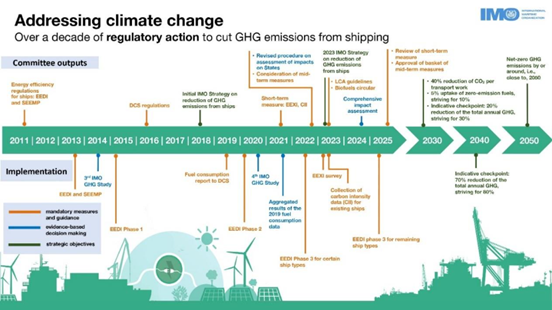
RCL's fleet will comply with the IMO strategy timeline.
To reduce CO2 emissions per transport work, as an average across international shipping, by at least 40% by 2030, compared to 2008.
Uptake of zero or near-zero GHG emission technologies, fuels, and/or energy sources to represent at least 5%, striving for 10% of the energy used by international shipping by 2030; and
GHG emissions to reach net-zero GHG emissions by or around, i.e., close to, 2050
To manage greenhouse gas emissions, RCL vessels comply with the Ship Energy Efficiency Management Plan (SEEMP), which includes the following operational strategies:
Slow Steaming - Operate at reduced and safe speeds whenever additional speed is not required., resulting in lower fuel consumption and reduced CO2 emissions.
Jus-in-Time Operation - Coordination among vessels, the Company, and port agents ensures vessels know their exact arrival time. This allows vessels to maintain an optimal speed and avoid waiting time at anchorage, thereby reducing fuel use.
Weather Routing - The Company and ship masters jointly plan voyages using weather, sea-state, and route-optimization data to ensure the shortest and safest passage, minimizing fuel consumption.
Propeller Cleaning - Marine growth on the hull, propeller, and rudder can reduce vessel speed and increase fuel and electricity consumption. Regular cleaning decreases drag and restores optimal propulsion efficiency.
Fuel Additives - Chemical additives are used to improve fuel combustion efficiency and clean the fuel system. This enhances engine performance, reduces fuel consumption, and lowers exhaust emissions.
Dry Docking - Vessels enter dry dock for hull painting, propeller polishing, rudder maintenance, and machinery overhauls. Regular maintenance ensures maximum operating efficiency.
Optimum Trim and Ballast - Adjusting vessel trim (the difference between the aft and forward drafts) and ballast to optimal conditions improves hydrodynamic efficiency, helps the vessel maintain better speed, and reduces fuel and electricity consumption.
Optimum Use of Generators - Electricity generation is limited to operational and safety requirements. Avoiding excess generation, operating machinery and equipment only when necessary, avoiding starting systems too far in advance, and shutting down unused equipment helps reduce fuel and energy use.
Propulsion System Maintenance - Regular maintenance of the main engine and auxiliary equipment ensures they operate at peak efficiency.
Minimum Dumping of Steam - Reducing steam dumping avoids unnecessary reheating of boiler water, which would otherwise require additional fuel consumption.
Exhaust Gas Economizer Efficiency - When sailing, exhaust gases from the main engine are used to produce steam, reducing the need for fuel-fired boilers.
Optimum Use of Autopilot - Proper adjustment and efficient use of the autopilot system help maintain a steady course, improving speed and reducing fuel and electricity consumption.
Carbon Intensity Reduction
With a strong commitment to reducing carbon intensity, RCL adheres to the International Maritime Organization (IMO) target of reducing carbon intensity in international shipping by 2% annually from 2023 to 2026, based on 2019 levels. This initiative is part of IMO’s long-term strategy to achieve a 40% reduction in carbon intensity from 2008 levels by 2030.
Year | Reduction from 2019 ref. | Annual Increase Rate |
2023 | 5% | Implementation |
2024 | 7% | 2% |
2025 | 9% | 2% |
2026 | 11% | 2% |
2027 | 13.625% | 2.625% |
2028 | 16.250% | 2.625% |
2029 | 18.875% | 2.625% |
2030 | 21.500% | Target: 40% reduction vs 2008 |
Source: Resolution MEPC.400(83) - Amendments to the 2021 Guidelines on the Operational Carbon Intensity Reduction Factors Relative to Reference Lines (CII Reduction Factors Guidelines, G3)
Carbon Intensity Indicator (CII)
The Carbon Intensity Indicator (CII) measures the operational efficiency of cargo, Ro-Pax, and passenger ships above 5,000 GT engaged in international voyages, derived from the results of implementing the Ship Energy Efficiency Management Plan (SEEMP) effectively.
CII reflects the grams of CO2 emitted per deadweight per nautical mile, influenced by:
Fuel type
Vessel efficiency
Speed
Deadweight capacity (DWT)
Weather conditions
Vessel condition
Each vessel receives an annual rating of A, B, C, D, or E, where:
A = best performance
C or better = required minimum standard
D for 3 consecutive years or E for 1 year requires a Corrective Action Plan under SEEMP Part III.
Annual CII assessments began in January 2023 with increasingly strict limits each year.
Under MARPOL Annex VI Regulation 27, RCL vessels above 5,000 GT submit fuel-use and operational carbon data to the IMO Data Collection System (DCS) for verification. Annual operational CII values are recorded, verified, and rated against the required CII value by the Administration or authorized organizations.
The Company has verified its greenhouse gas (GHG) emissions for the past year, with Class NK serving as the third-party verifier for the GHG emissions data.
Plan Document Link
https://www.rclgroup.com/SusEnvDimension
GHG — Emissions
GHG Emissions
| Metric | Current Year | Previous Year | Two Years Ago |
|---|---|---|---|
| Total GHG emissions (Metric tonnes of carbon dioxide equivalent) | 1,134,934.46 | 943,318.9 | 972,699 |
| Total greenhouse gas emissions 1 (Metric tonnes of carbon dioxide equivalent) | 1,134,934.46 | 943,318.9 | 972,699 |
| Total greenhouse gas emissions 2 (Metric tonnes of carbon dioxide equivalent) | |||
| Total greenhouse gas emissions 3 (Metric tonnes of carbon dioxide equivalent) |
GHG — Emissions Verification
Emissions Verified by a Third Party
Yes
Verifying Body
2656
Verifying Body — Please Specify
Nippon Kaiji Kyokai (ClassNK)
GHG — Principles & Standards
Principles & Standards Applied
| Standard | Other — Please Specify |
|---|---|
| 2734 | International Maritime Organization (IMO) |
GHG — Targets
Introduction
As stated under the CII rating criteria, the Company has set the following targets for 2026:
Number of vessels receiving a CII rating of E = 0 vessels
Reduction of CO2 emissions by 1% (grams/DWT-NM)
Has Set GHG Targets
Yes
GHG Targets — Other Targets
Other GHG Targets
| Emission Scope | Base Year | Base Year Emissions | Near-term Target Year | Near-term Target Change (%) | Long-term Target Year | Long-term Target Change (%) | Target Year | Target Change (%) | Unit | Unit — Please Specify |
|---|---|---|---|---|---|---|---|---|---|---|
| 2717 | 2,025 | 7.75 | 2,026 | 1 | 2,026 | 1 | 2,026 | 1 | Others | Grams per deadweight mile |
GHG — Performance & Outcomes
Has Performance Results
Yes
Performance Description
In 2025, the RCL vessels received the following provisional Carbon Intensity Indicator (CII) ratings.
CII Rating | Description | Numbers of Ship |
A | Major superior performance | 7 |
B | Minor superior performance | 12 |
C | Moderate performance | 14 |
D | Minor inferior performance | 6 |
E | Inferior performance | Nil |
In 2025, the RCL fleet emitted a total of 1,134,934.46 tons of CO2, resulting from the consumption of:
354,372 tons of heavy fuel oil (HFO)
9,509 tons of marine diesel oil (MDO)
300 tons of biodiesel
In 2024, all ships emitted carbon 943,318.90 tons or 9.06 grams/DWT-NM.
In 2025, all ships emitted carbon 1,134,934.46 tons or 7.75 grams/DWT-NM.
Despite a 3.05% increase in the fleet’s total deadweight tonnage (DWT) in 2025 compared with 2024-due to fleet expansion and effectiveness in implementing various measures, analysis shows that the fleet’s overall carbon intensity decreased by 16.82%, measured in grams of CO2e per deadweight-mile.
This improvement reflects the effectiveness of the Company’s fuel-efficiency enhancement programs and the successful implementation of operational management strategies aimed at reducing the consumption of oil-based fuels. The program includes -
On-going fleet-wide initiatives (such as fuel additives, route optimization, speed reduction, efficient port operation, onboard energy-saving practices - all ships
Applying low-friction paint - 7 ships
Hull cleaning - 13 ships
Propeller cleaning - 9 ships
AMP usage in ports - 4 ships
Retrofitting energy saving device - 2 ships
Environmental Legal Incidents
Number of Incidents — Introduction
In 2025, there were no cases or incidents of violations of laws or regulations related to social and human rights.
Legal Violation Incidents
| Metric | Current Year | Previous Year | Two Years Ago |
|---|---|---|---|
| Number of cases or incidents of legal violations or negative environmental impact (cases) | 0 | 0 | 0 |
Social Policy & Guidelines
Has a Social Policy
Yes
Policy Description
The Company has disclosed its social and human rights policies and practices as part of the Employee Code of Conduct, which is available on the Company’s website under Sustainability, specifically within Corporate Governance | Code of Conduct. The scope covers the following topics:
Employee Rights
Migrant Workers
Child Labor
Consumer Rights
Community and Environmental Rights
Occupational Health and Safety
Non-Discrimination
Supplier Rights
In addition, the Company also has a policy on various matters. related to the stakeholders are:
1. Employee Rights
The Company adheres to the practices set forth in the Employee Code of Conduct, focusing on treating all personnel equally and promoting respect for individual value, as outlined below:
Respect
Respect is regard for the inherent worth of each individual. It requires all staff to create a workplace where people are treated well and are afforded all of the rights they are entitled to with dignity and without being demoralized.
Relationship with fellow colleagues
RCL is committed to provide a conducive working environment for its employees. In so doing, RCL expects full cooperation from all staff within RCL. Therefore, in order to promote and maintain such unity, employees must:
Endeavor to maintain cordial relationship among colleagues and wherever possible, to provide assistance to fellow colleagues.
Treat subordinates with fairness and compassionate, groom and develop them for their career advancement by imparting work related knowledge, and where possible, to provide training and opportunities with a view to increase their knowledge and experience.
Adopt an open-minded attitude to receive opinion of fellow colleagues as well as their recommendations relating to work, and if practical, deliberate on the feasibility of such, for the benefit of RCL's operations.
Implement supervisor's recommendations and observe protocol of the organization and be respectful, considerate and polite to others.
Abstain from disclosure of other employees' personal or work related information, and avoid passing any undesirable remarks that may be detrimental to fellow colleague.
Must not deliberately withhold any information with an intention to hinder fellow colleague's performance of his / her duties.
Treat fellow colleagues with fairness in the exact manner in which one would wish to be treated in a similar situation and give due honor and respect to others, for example, not to claim other's credit as his / her own.
Sexual, other unlawful harassment and workplace violence
RCL is committed to maintaining a working environment that is free of unlawful discrimination. In keeping with this commitment, RCL will not tolerate harassment of its staff, vendors, suppliers or business associates. Harassment consists of unwelcome conduct, whether verbal, physical or visual, that is based upon a person's protected status, such as race, color, region, sex, age, ancestry, national origin, disability, marital status or any other characteristics protected by law.
Sexual harassment consists of any sexual activities, verbal, physical violation or use of obscenities, initiated by one employee on another, and in doing so, creates distress or an intimidating hostile or offensive work environment. Employees must be aware that certain behavior can be deemed as harassment, even though it may be unintentional.
In addition, RCL prohibits workplace violence, some examples of which are not limited to include threats, intimidation, assaults, possession, distribution or usage of firearms, explosives, dangerous materials, other weapons, drugs or being under the influence of drugs while working in / for RCL.
If any employee believes that he / she or other person was harassed or threatened, he / she should report the incident to his / her superior or a representative from the Human Resource Department as soon as possible. The management shall then investigate such claim and take appropriate action accordingly. Every employee must refrain from any of such undesirable behavior. This condition is deemed to be part of the employment contract for all staff. Any employee who violates this code will be subject to appropriate severe disciplinary action, without any exception, including termination of employment without any severance pay. This policy also extend to cover employee's behavior towards business customers , contractors and / or suppliers.
Personal privacy
RCL adheres to legal requirements concerning personal privacy in the work place. However, RCL reserves the right to access any information, including voice mails, electronic mails, stored on computer systems or peripherals or telecommunications equipment owned by RCL, or those under the rightful control of RCL or within its premises. RCL also reserves the right to change passwords, for the purpose of auditing, initiate investigation for searching of computer files, voice mails, or electronic mails, as stated.
Work Hours, Wages, and Benefits
RCL adheres labor practices regarding work hours, wages, and benefits, in compliance with applicable laws and industry standards. We provide employees with wages and benefits packages that reflect their contributions and skills.
RCL respects employees' rights to fair compensation for their work, including overtime pay, rest periods, and paid leave. We promote work-life balance and employee well-being by offering flexible work arrangements, wellness programs, and support services to meet the diverse needs of our workforce.
2. Diversity and Inclusion
RCL is committed to fostering a diverse, inclusive, and equitable workplace that upholds the principles of fairness and respect for all individuals, regardless of race, ethnicity, nationality, religion, gender, age, disability, or any other legally protected characteristic. The company endeavors to cultivate a workforce that reflects the diversity of the communities it serves, ensuring that all employees are acknowledged, valued, and empowered to contribute their perspectives and expertise in recruitment, employment, and career advancement processes.
RCL implements comprehensive training programs, mentorship initiatives, and support mechanisms to cultivate a workplace culture that embraces diversity and inclusion at all organizational levels.
3. Non-use of Child Labor or Forced Labor
RCL unequivocally prohibits the use of child labor or forced labor within its operations or supply chain. We adhere strictly to international labor standards and local laws concerning the minimum working age, ensuring that no individual under the legal age is employed by RCL or its suppliers. Similarly, we reject all forms of forced labor, coercion, or human trafficking. We conduct regular audits and due diligence to verify compliance throughout our supply chain, and any violations are promptly addressed with appropriate corrective actions, including termination of contracts with non-compliant suppliers.
4. Respect for Customer Rights
RCL prioritizes the rights and interests of consumers and customers, ensuring fair and transparent business practices. We are committed to delivering high-quality products and services that meet or exceed customer expectations while upholding ethical standards. We respect consumer privacy and safeguard personal information in accordance with applicable data protection laws. Any complaints or concerns raised by consumers are addressed care and diligence, with a focus on achieving satisfactory resolutions and maintaining trust and confidence in RCL's brand.
5. Environment and society
Health, safety, and environment responsibilities are fundamental to RCL's values. RCL seeks to comply with the provisions of health, safety and environment of the local laws, one of which, is the adherence to international conventions, such as the International Maritime Organization's codes in order to preserve the social and public environment.
6. Safety and Occupational Health at Work
The Company outlines its Occupational Health and Safety policy within the Employee Code of Conduct under the Human Rights section as follows:
Safe and Healthy Workplace
RCL prioritizes the safety and well-being of its employees, contractors, and visitors by maintaining a safe and healthy workplace environment. We comply with all applicable occupational health and safety laws and regulations, conducting regular risk assessments and implementing appropriate controls to prevent accidents and injuries. RCL provides comprehensive safety training, resources, and support to employees to ensure their health and safety at work. We encourage open communication and collaboration on safety matters to continuously improve workplace conditions and prevent hazards.
Workplace Security
RCL is committed to providing a secure work environment for all employees, contractors, and visitors. We implement robust security measures to protect against threats. Security protocols are regularly reviewed and updated to address emerging risks and ensure compliance with relevant security standards and regulations. RCL provides training and awareness programs to empower employees to recognize and manage effectively to security threats, promoting a culture of vigilance and preparedness throughout the organization.
7. Equitable Treatment of Corporate Stakeholders and Non-Discrimination
RCL is committed to treating all corporate stakeholders, including customers, business partners, employees, and shareholders, with fairness, dignity, and respect. We uphold principles of non-discrimination, ensuring that decisions regarding business relationships, transactions, or interactions are based solely on legitimate business considerations.
8. Competitor, partner and supplier relationships
It is RCL's policy not to engage in any anti-competitive practice which are unlawful and are restrictive to the free market economy. We observe rules and regulation applicable in the countries, states and local jurisdiction where the businesses are conducted and encourage fair competition among potential competitors, partners, suppliers and other vendors, treating each of these companies or individuals with fairness, integrity and without discrimination.
Competitor, partner, supplier relationships must be managed with good business practices and RCL is committed to seeking strong, mutually rewarding business relationships with companies and individuals who can enhance the quality of its services. The selection of partners and suppliers must be made on a basis of objective criteria, including quality, technical excellence, price, delivery, adherence to schedules, product or services suitability, maintenance of adequate sources of supply, as well as RCL's purchasing policies and procedures.
Furthermore, all terms in contracts made with partners and suppliers should be adhered to at all times unless changes are mutually agreed otherwise.
9. Anti-Corruption Policy and Implementations
The Company maintains an Anti-Corruption Policy, which is specified in the Employee Code of Conduct and on the Company’s website under Sustainability | Corporate Governance, as follows:
Anti-Corruption
Perform duty with honesty, integrity and fairness, and avoid any acts that may be construed as otherwise. Employees:
must not use or permit others to use his / her job-related authority, directly or indirectly, to seek personal benefits or benefits for others.
(including his / her family), must refrain from giving or accepting gifts, cash, services, or other benefits from any individuals doing, or seeking to do business with RCL, except on traditional events or occasions. However, this is permissible if the cost of such benefits is not substantial in value and the act itself is not construed as a bribe or kickback.
must abstain from being lavishly entertained by any individual doing or seeking to do business with RCL.
are prohibiting from disclosing or utilizing RCL's non-public information which could have an effect on RCL's share /stock price, with an intention of seeking profit or benefiting from the trading of or tipping others to trade in RCL shares / stock, directly or indirectly. (Please refer to Insider Trading posted in the RCL's website)
Whistle Blower
Protection for Employees Who Inform on or Disclose of Wrongful Conduct or Non-Compliance
1. Complaints or Information
The corruption or any action that violates the laws, regulations or the Code of Conduct that affects the reputation, image, value, financial status of the Company or conflicts with the business operation policy and is related to high-ranking executives.
2. Channels of complaint or giving information
2.1 Send an e-mail to complaints@rclgroup.com
2.2 Complain verbally or in writing to President
3. Procedure for Investigating Facts
3.1 The person handling complaints will be the one to investigate the facts or may authorize a person or group of persons to investigate the facts.
3.2 If the investigation reveals that a violation did occur and affects the reputation, value and image of the organization, the person handling complaints shall submit the matter to the Executive Directors and present to the Audit Committee consecutively for consideration of courses of action according to company rules and regulations.
4. Protection of the Complainant or Informant
4.1 The protection will be provided immediately the complaint is submitted.
4.2 The Company will regard the related information as secret and will disclose only so much of it as necessary to ensure the safety of the complainant.
4.3 If the complainant believes that he/she will not be safe or incur harm, he/she may ask the Company to provide appropriate protection, or the Company provides such protection without the complainant’s request if it is believed that danger or harm is likely to occur.
In addition, the Company has published a policy to protect complainants. Those who provide information or whistle-blowers about corruption, illegal activities and the Whistle Blower Policy on the Company's website www.rclgroup.com.
Policy Document Link
https://www.rclgroup.com/CodeOfConduct
Social Guidelines
| Guideline | Other — Please Specify |
|---|---|
| Employee Rights | |
| Migrant Workers | |
| Child Labor | |
| Consumer Rights | |
| Community and Environment Rights | |
| Safety and Occupational Health at Work | |
| Non-discrimination | |
| Business Partner Rights | |
| Other | Anti-corruption |
Employees — Plan & Guidelines
Has an Employee Management Plan
Yes
Plan Description
1. Employee and labor management plan: Fair employee compensation
The Company has a framework for managing employee and labor compensation with fairness and transparency, in accordance with the policies on working hours, wages, and benefits specified in the Employee Code of Conduct, as follows:
RCL adheres labor practices regarding work hours, wages, and benefits, in compliance with applicable laws and industry standards. We provide employees with wages and benefits packages that reflect their contributions and skills.
RCL respects employees' rights to fair compensation for their work, including overtime pay, rest periods, and paid leave. We promote work-life balance and employee well-being by offering flexible work arrangements, wellness programs, and support services to meet the diverse needs of our workforce.
This includes the implementation of a Performance Management System (PMS) to evaluate employee performance alongside their capabilities, skills, and potential, ensuring alignment with organizational goals. Wage rates are determined based on the suitability of each position and must not be lower than the legal minimum wage.
Furthermore, the Company maintains clear criteria for considering annual salary increments and bonuses.
2. Employee and labor management plan: Employee training and development
Human Capital Development to Drive Competitive Advantage and Sustainable Growth the Company recognizes that our employees are our most vital assets in driving the organization forward. Therefore, we place the highest priority on developing the skills and potential of our personnel as a core foundation for building competitive advantage and ensuring sustainable growth. Our human resource management strategy focuses on optimizing workforce allocation through upskilling and job rotation. This approach encourages our employees to develop comprehensive knowledge and gain diverse experiences across the organization.
Cultivating a multi-skilled workforce enables the Company to achieve high agility, allowing us to effectively manage our human capital to accommodate business dynamics and unexpected changes in a timely manner. Indeed, a key strength of the Group lies in our highly capable and adaptable personnel, who possess the competitive edge aligned with the organization's strategic direction.
To achieve these strategic goals, the Company has established a proactive human capital development framework. We emphasize job rotation plans, leadership capacity-building, enhancing professional expertise and specialized skills in the maritime industry, key project assignments, and overseas deployments to broaden our employees' perspectives and expand their international experience. Furthermore, we prioritize cross-functional learning through On-the-Job Training (OJT) programs lasting 3 to 12 months, coupled with continuous leadership development to prepare employees for long-term career advancement.
3. Employee and labor management plan: Promoting employee relations and participation
The Company organizes activities to foster collaboration, unity, and strong relationships among employees. These initiatives aim to boost morale, encourage participation in corporate culture, and enhance work efficiency, ultimately driving long-term positive impacts on the organization.
In 2025, the Company implemented various activities to promote employee engagement.
Cultural & Core Values
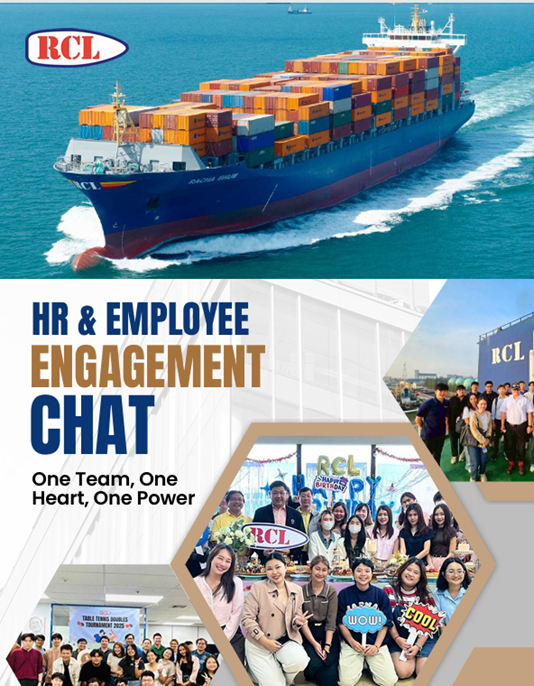
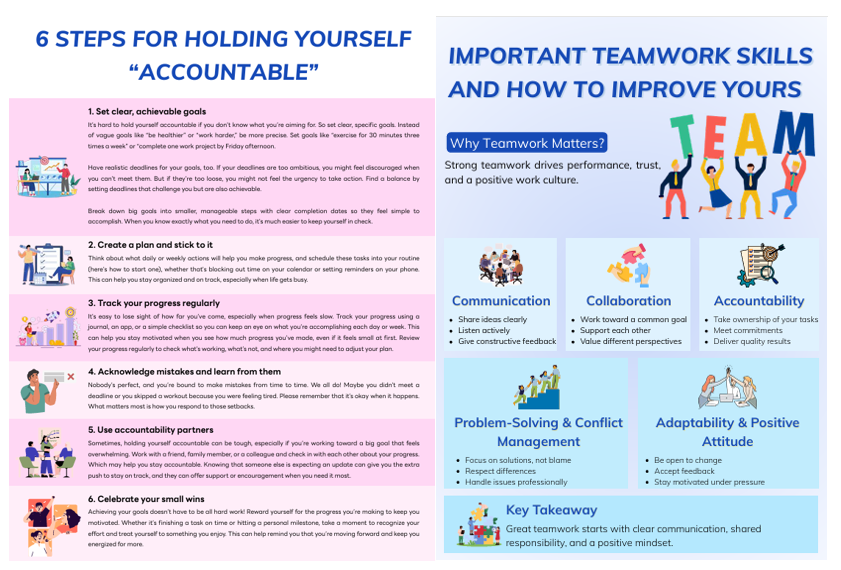
The Company cultivated corporate culture as a framework for creating corporate culture by organizing orientation training for new employees along with training and conducting ATRCL activity throughout the year 2025. Furthermore, we have incorporated additional corporate values to drive future growth and competitiveness, such as Growth Mindset and Digital Mindset. The company continues to promote the Core Values (ATRCL) with the interesting topics that align with our Core Values via HR & Employee Engagement Chat monthly.
4. Employee and labor management plan: Migrant/foreign labor
The company provides the same benefits and salary standards for foreign or migrant workers as for Thai workers, ensuring fairness and equality.
Furthermore, the organization has expanded the 'RCL Young Resource Program' and 'RCL Future Leader' programs to include employees from international branches. This opens opportunities for international employees from various. This provides branch employees with the opportunity to rotate to headquarters to acquire skills and learn operational processes before returning to further develop their respective international offices. During their rotation, the Company provides convenient accommodation and benefits equivalent to those of Thai staff.
In addition, the Company has established a personnel development plan for foreign employees at international locations. This program features specialized skill training tailored to each department's needs. The Company also offers opportunities for cross-departmental job rotation, allowing employees to explore and learn in other areas of interest.
and training in business administration, sales skills, negotiation skills, time management skills, and customer service skills.
5. Employee and labor management plan: Child labor
The company has a strict policy against child labor, implementing child labor management plans in accordance with both Thai and international labor laws, as specified in the Code of Conduct under the section Human Rights | None-use of Child Labor or Forced Labor.
6. Employee and labor management plan: Occupational health and safety in the workplace
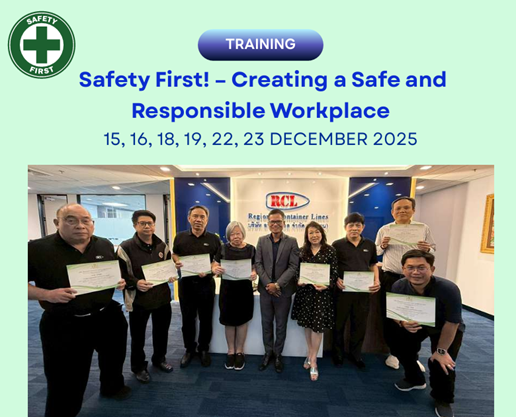
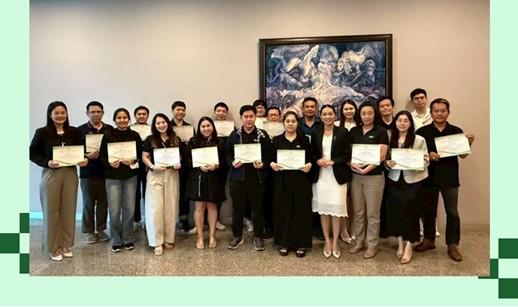
The Company has established the Occupational Safety, Health, and Environment Committee (OSHE Committee) and provides training on the roles of Safety Officers at all levels, with details as follows:
Executive Level, Safety Officer Training Course: Conducted for all department managers and senior executives who supervise one or more employees.
Supervisory Level, Safety Officer Training Course: Conducted for all supervisors who have one or more subordinates.
Strict Workplace Safety Inspections by Experts
The Company has assigned all supervisors who have completed the Supervisory Level, Safety Officer course to conduct strict safety inspections and assessments within their respective operational areas.
Furthermore, the Company conducts annual fire evacuation drills to raise safety awareness and preparedness among all employees.
7. Employee and labor management plan: Non-Discrimination
The Company has provided equal employment opportunities without discrimination that cover people with disabilities and other underprivileged groups. However, in 2025, there were no disabled and underprivileged groups applied. The Company also fully supports the Department of Empowerment of Person with Disabilities in a timely manner every year.
The Company has disclosed its employee and labor management plan on its website under the Sustainability section, specifically in Corporate Governance | Code of Conduct.
Plan Document Link
https://www.rclgroup.com/CodeOfConduct
Plan Areas
| Plan Area | Other — Please Specify |
|---|---|
| Fair employee compensation | |
| Employee training and development | |
| Promoting employee relations and participation | |
| Migrant/foreign labor | |
| Child labor | |
| Occupational health and safety in workplace | |
| Others | Non-discrimination, Plan workforce requirements to align with business growth and employee potential, Equality |
Employees — Workforce
Introduction
Migrant Workers
The Company promotes diversity and inclusivity by employing migrant workers and ensuring equal opportunities in the workplace. The Company manages migrant workers according to established standards, prioritizing labor rights, safety, and appropriate welfare. Hiring migrant workers reflects the Company’s dedication to fostering diversity and inclusivity and promoting equality within the organization.
Child Labor
The Company values human rights and ethical standards in employment. It adheres to the Code of Conduct, which strictly prohibits the use of child labor, and complies rigorously with labor laws to ensure that the hiring process is fair and lawful. Based on the Company's operations in 2025, there was no use of child labor in any part of the organization.
Workforce Data
| Metric | Current Year | Previous Year | Two Years Ago |
|---|---|---|---|
| Total number of employees (Persons) | 464 | 394 | 367 |
| Number of male employees (Persons) | 196 | 167 | 149 |
| Number of female employees (Persons) | 268 | 227 | 218 |
| Total employment of disabled persons (people) | 0 | 0 | 0 |
| Total disabled employees (people) | 0 | 0 | 0 |
| Total male disabled employees (people) | 0 | 0 | 0 |
| Total female disabled employees (people) | 0 | 0 | 0 |
| Total disabled workers who are non-employee (people) | 0 | 0 | 0 |
| Contributions to the fund for promoting and improving the quality of life for disabled persons | 1 | 1 | 1 |
| Total number of male employees in operational level (Persons) | 171 | 145 | 131 |
| Total number of male employees in management level (Persons) | 22 | 19 | 15 |
| Total number of male employees in executive level (Persons) | 3 | 3 | 3 |
| Total number of female employees in operational level (Persons) | 246 | 210 | 202 |
| Total number of female employees in management level (Persons) | 20 | 15 | 14 |
| Total number of female employees in executive level (Persons) | 2 | 2 | 2 |
Employees — Remuneration & Provident Fund
Remuneration & Provident Fund
| Metric | Current Year | Previous Year | Two Years Ago |
|---|---|---|---|
| Total disabled employees (people) | 640,172,579.43 | 470,391,219.62 | 622,373,330.66 |
| Total male employee remuneration (Baht) | 322,995,207.03 | 237,203,092.79 | 311,614,330.83 |
| Total female employee remuneration (Baht) | 317,177,372.4 | 233,188,126.83 | 310,758,999.83 |
| Number of employees eligible to participate in PVD (persons) | 426 | 364 | 331 |
| Total number of employees joining employee provident fund (Persons) | 307 | 255 | 242 |
| Percentage of total number of employees joining employee provident fund to total number of employees (%) | 66.16 | 64.72 | 65.94 |
| Number of PVD members / Total eligible employees (%) | 72.07 | 70.05 | 73.11 |
| Total amount of provident fund contributed by the Company (Baht) | 12,693,979.85 | 10,789,908.4 | 9,922,019.75 |
| Total amount of provident fund contributed by employee (baht) | 20,729,500.9 | 17,478,866.8 | 16,312,879.3 |
Employees — Training & Development
Training Data
| Metric | Current Year | Previous Year | Two Years Ago |
|---|---|---|---|
| Average employee training hours (Hours / Person / Year) | 27.85 | 4.3 | 3 |
| Employee development and training expenses (baht) | 16,241,672 |
Employees — Occupational Health & Safety
Introduction
Occupational Health and Safety
Fire Drill and Emergency Evacuation Training
The Company is committed to fostering a safety culture and prioritizing employee well-being by conducting basic fire safety training. This training equips employees with knowledge on fire prevention, fire suppression, proper use of firefighting equipment, and basic first aid. Additionally, annual fire drills and emergency evacuation exercises raise awareness about disaster prevention and ensure employees can respond to emergencies swiftly, calmly, and effectively.
Waste Segregation in the Workplace
The Company has implemented a waste segregation system to maintain a clean, safe, and environmentally friendly workplace. Categorized waste bins are provided for recyclable waste, general waste, hazardous waste, and organic waste. Informational signage is also installed to educate employees on proper waste segregation practices.
Safety, Occupational Health, and Working Environment Committee
The Company provided training on the roles of Safety Officers at all levels, with details as follows:
Executive Level, Safety Officer Training Course: Conducted for all department managers and senior executives who supervise one or more employees.
Supervisory Level, Safety Officer Training Course: Conducted for all supervisors who have one or more subordinates.
All supervisors who have completed the Supervisory Level, Safety Officer course were assigned to conduct strict safety inspections and assessments within their respective operational areas.
Occupational Health & Safety Data
| Metric | Current Year | Previous Year | Two Years Ago |
|---|---|---|---|
| Total number of lost time injury incidents by employees (Cases) | 0 | 0 | 0 |
Employees — Labour Relations
Labour Relations Data
| Metric | Current Year | Previous Year | Two Years Ago |
|---|---|---|---|
| Proportion of voluntary resignations (%) | |||
| Total voluntary resignations (Persons) | 20 | 28 | 29 |
| Male employees who voluntary resigned (Persons) | 5 | 12 | 12 |
| Female employees who voluntary resigned (Persons) | 15 | 16 | 17 |
| Percentage of employee turnover leaving the Company voluntarily (%) | 100 | 100 | 100 |
| Evaluation result of employee engagement | 0 | 0 | 0 |
Employees — Employee Representation
Introduction
1. Welfare Committee
The Company places great importance on employee welfare and quality of life, which is why it has established a Welfare Committee within the organization. Employees are given the opportunity to elect their own representatives to the committee, helping to oversee and develop welfare programs that are suitable and beneficial for all parties. The committee's role is to review and propose welfare development initiatives through annual meetings, ensuring that employees receive appropriate welfare support in accordance with labor law requirements.
Welfare Committee Election 2025
In 2025, the last welfare committee had reached their term. The company hence held a welfare committee election in 2025 to set up the new RCL Welfare Committee for the year 2025-2027.
The main responsibilities of the Welfare Committee will be as follows:
Advise and give suggestions to the employer regarding Welfare matters for the employee.
Provide solutions and directions of Effective Employee Relation Activities for the employee.
2. Safety, Occupational Health, and Working Environment Committee
Plays a crucial role in driving safety policies, reducing workplace accidents, and creating a positive working environment to prevent work-related illnesses or injuries. As required by law, establishments with the prescribed number of employees must have Safety, Occupational Health, and Working Environment Committee to effectively oversee and ensure the safety of their employees.
Employees Are Represented Collectively
Yes
Forms of Representation
| Form | Other — Please Specify |
|---|---|
| Welfare committee | |
| Others | Occupational Safety, Health and Working Environment Committee (OSH Committee) |
Employees — Targets
Has Set Employee Targets
Yes
Targets
| Indicator | Target Areas | Base Year | Base Year — Description | Target Year | Target Year — Description |
|---|---|---|---|---|---|
| Average number of hours of employee training per year. | 2984 · Description: Employee training and development | 2,024 | The average number of employee training hours is 4.3 hours per employee per year. | 2,025 | Head Quarter 2025: The average number of employee training hours is 27.85 hours per employee per year.
Location 2025: The average number of employee training hours is 12.92 hours per employee per year.
|
| Number of child labor reports. | 2987 · Description: Child labor | 2,024 | In 2024, there was no use of child labor.
| 2,025 | In 2025, there was no use of child labor. |
Employees — Performance & Outcomes
Has Performance Results
Yes
Performance Description
Operating results and outcomes: Fair Employee Compensation
The Company utilizes a Performance Management System (PMS) to evaluate employee performance, ensuring that compensation is determined with fairness and transparency. This evaluation considers performance results alongside individual capabilities, skills, and potential. Wage rates are set appropriately for each position and are strictly not lower than the legal minimum wage. Furthermore, the Company maintains clear criteria for annual salary increments and bonuses.
Additionally, the Company values employee welfare by providing benefits that enhance their quality of life, such as leave entitlements, health insurance, life insurance, accident insurance, and a provident fund registered under the Provident Fund Act B.E. 2530 (1987).
Operating results and outcomes: Employee Training and Development
In 2025, the Company prioritized elevating human capital through comprehensive local and global learning initiatives (Global Exposure) to maintain a sustainable competitive advantage. Key strategic achievements include:
Strategic Investment in Human Capital: Focused training programs were implemented across Leadership, Technical Excellence, and Digital Skills. The Company achieved an average of 27.85 training hours per employee/year at the Bangkok Headquarters (BKK HQ) and 12.92 hours at Overseas Locations, reflecting a steadfast commitment to world-class competency standards.
Future Leader & Succession Planning: To strengthen management capabilities and prepare high-potential personnel to step into key leadership roles.
The Maritime Business Management Technical Skill Excellence: To enhance specialized expertise, elevate operational standards, and maximize process efficiency.
Soft Skills & Current & Future Skills: To cultivate emotional intelligence, interpersonal skills, and agile mindset necessary for the modern workplace.
Digital Transformation with AI & Automation: To elevate workforce capabilities by integrating advanced technology, innovation, and artificial intelligence into daily operations.
Ocupational Health & Safety: To promote and sustain a safe, secure, and hygienic working environment for all employees.
Service Excellence & Customer Centricity: Elevating workforce competencies in proactive service and international expectation management. This initiative focuses on maximizing customer satisfaction and enhancing long-term client retention amidst the highly competitive landscape of the global shipping industry.
ESG & Sustainability Integration: Cultivating a deep-seated awareness of Environmental, Social, and Governance (ESG) responsibilities as a core part of the corporate culture. This prepares our personnel for the transition toward "Green Shipping" and reinforces trust and credibility among all stakeholders.
Systematic human capital development directly enhances operational efficiency and organizational agility within the dynamic global shipping industry, driving the Company toward resilient and sustainable growth.
The Training Programs were arranged in 2025 across RCL’s Network
In 2025, the Company remained committed to fostering a robust learning ecosystem to drive organizational excellence. We delivered over 180 training courses for employees at all levels, strategically categorized into 8 core skill sets:
Leadership & Managerial Skills: Cultivating high-performance leadership through coaching, effective delegation, and the ability to inspire a shared organizational vision. (40 courses)
Technical Enhancement Skills: Deepening specialized, role-based expertise in maritime principles, industry regulations, and advanced functional knowledge. (95 courses)
Technological & Digital Skills: Strengthening data literacy and digital fluency, including the strategic application of AI and automation to maintain a competitive edge. (16 courses)
Operational Enhancement Skills: Optimizing business processes through Agile and Lean principles to increase quality, scalability, and operational agility. (7 courses)
Cognitive Skills: Enhancing critical thinking, complex problem-solving, and innovative synthesis to empower informed and strategic decision-making. (6 courses)
Mindset for Growth: Cultivating resilience, intellectual curiosity, and a proactive ownership of self-development to adapt to rapid global changes. (7 courses)
Safety, Security & Compliance: Upholding non-negotiable standards in safety protocols, data security, and strict adherence to international laws and certifications. (7 courses)
Onboarding Program: A structured integration process designed to equip new talents with the essential culture and competencies for immediate productivity. (5 courses)
Operating results and outcomes: Promotions of Employee Relations and Engagement
The Company instils the corporate culture and the core values “ATRCL” as the fundamental blueprint for organizational development. This culture is introduced through new employee orientations and reinforced through continuous training and activities.
Throughout 2025, the Company organized initiatives to foster collaboration, unity, and positive relationships among employees. These efforts aim to boost morale and drive active engagement in the corporate culture, ultimately enhancing operational efficiency, and delivering a sustained positive impact on the organization.
Various awareness-raising activities have been organized in areas of the Company’s priority, such as wellbeing & environmental activities (e.g., RCL Yoga Club, RCL Badminton Club, RCL Network Football Tournament 2025, Boost Your Health Up, RCL Green Heart activity).
And the Company enhanced the staffs to join CSR activities that related with social and environment, such as, CSR activity on World Ocean Day, activities to promote the use of AI in the workplace. Moreover, the Company also donated rPET Plastic Bottle to Wat Chak Daeng every month, donated Thamma USB set to Wat Chak Daeng, donated Thamma USB set to Wat Chak Daeng. This includes initiatives to promote employee health and well-being, such as organizing physical exercise activities for staff, including yoga, badminton, table tennis, football, and various other sports.
Operation results and outcomes: Migrant/foreign labor
Currently, The Company employs a diverse workforce including Thai, Chinese, Burmese, Indian, Indonesian, Filipino, Singaporean, Malaysian, and Vietnamese nationals. All employees, regardless of their nationality, are treated with strict equality and fairness.
The Company provides welfare benefits and salary standards for migrant labor equal to those provided to Thai employees, ensuring fairness and non-discrimination.
The Company has also expanded the RCL Young Resource Program and RCL Future Leader programs to employees in overseas branch offices. These programs provide opportunities for foreign employees from various branch offices in different countries to rotate to the headquarters to develop skills and gain work experience, before returning to further develop their respective overseas branches. Appropriate accommodation is also provided for participants.
In addition, the Company has established personnel development plans for foreign employees working at overseas branch offices (locations). Training programs are designed with different skill sets tailored to employees in each department, such as management and business administration courses, sales skills, negotiation skills, time management, and customer service skills. Employees are also given opportunities to rotate to other departments to gain additional experience if they are interested.
Operation results and outcomes: Child labor
The Company implements its child labor management plan in accordance with the corporate policy, as specified in the Code of Conduct under the section of Human Rights | None-use of Child Labor or Forced Labor.
Therefore, in 2025, there were no instances of child labor within the Company’s operations.
Operation results and outcomes: Occupational health and safety in the workplace
In 2025, the Company provided training on the roles of Safety Officers at all levels, with details as follows:
Executive Level, Safety Officer Training Course: Conducted for all department managers and senior executives who supervise one or more employees.
Supervisory Level, Safety Officer Training Course: Conducted for all supervisors who have one or more subordinates.
All supervisors who have completed the Supervisory Level, Safety Officer course were assigned to conduct strict safety inspections and assessments within their respective operational areas. Furthermore, the Company conducted annual fire evacuation drills to raise safety awareness and preparedness among all employees.
Operation results and outcomes: Non-Discrimination
The Company provides equal employment opportunities and non-discrimination, covering persons with disabilities and other underprivileged groups. However, in 2025, no applications were received from persons with disabilities or other underprivileged groups.
Furthermore, the Company has consistently supported the Fund for the Empowerment of Persons with Disabilities, making all contributions in full and on schedule each year.
All employees, regardless of their nationality, are treated with strict equality and fairness as the following information:
Employee Distribution by Gender
In 2025, the Company’s employment figures were as follows:
Staff Level
The proportion of the female workforce at the staff level was at 54%.
The proportion of the female workforce at the staff level was at 38%.
Head of Department Level
The proportion of the female workforce at the head of department level was at 4%.
The proportion of the male workforce at the head of department level was at 5%.
Executive Level
The proportion of the female workforce at the executive level was at 0.4%.
The proportion of the male workforce at the executive level was at 1%.
Customers — Plan & Guidelines
Has a Customer Management Plan
Yes
Plan Description
Responsible Production and Service for Customers
RCL strictly upholds its responsibility to customers in all aspects of production and service. The Company conducts continuous quality inspections to ensure customers receive the highest quality products. Additionally, proactive measures are implemented to prevent potential issues arising from using RCL's products and services.
Know Your Customer Program
Our KYC program integrates external data with refined internal processes to enhance customer vetting and screening. By analyzing usage patterns and market demand, we can align services with customer needs. This initiative not only aims to optimize service planning but also mitigates misdeclarations, directly improving cargo and vessel safety across the network.
Enhancing Customer Satisfaction and Strengthening Relationships
RCL regularly conducts customer satisfaction surveys to gather feedback and suggestions. These insights are used to continuously improve service quality and enhance the overall customer experience.
Protection of Customer Personal Data
RCL places great importance on safeguarding customer personal data. Strict security measures are in place to prevent unauthorized access, and employees receive regular training on data security. The Company also continuously reviews and enhances its data protection systems to ensure the highest level of security.
End-to-End (Land Logistics) Service by RCL
RCL provides comprehensive end-to-end land logistics services to fully meet customer needs. The Company manages the entire logistics process from origin to destination, ensuring convenience and efficiency. Continuous monitoring and process improvements are implemented to maintain the highest service quality for customers.
Plan Areas
| Plan Area | Other — Please Specify |
|---|---|
| Responsible production and services for customers | |
| Development of customer satisfaction and customer relationship | |
| Protection of customer personal information | |
| Others | End-to-End (Land Logistics) Service by RCL |
Customers — Satisfaction Results
Customer Satisfaction Results
| Metric | Current Year | Previous Year | Two Years Ago |
|---|---|---|---|
| Evaluation results of customer satisfaction | 0 | 0 | 0 |
Customers — Targets
Has Set Customer Targets
Yes
Targets
| Indicator | Target Areas | Base Year | Base Year — Description | Target Year | Target Year — Description |
|---|---|---|---|---|---|
| Customer Satisfaction Score | 3009 · Description: Development of customer satisfaction and customer relationship | 2,025 | 2025
Satisfaction score: 3.42
points
| 2,026 | 2026 Satisfaction score: 4
points
|
| Repeat Service Rate | 3011 · Other name: Increasing customer repeat service rate · Description: Other | 2,025 | 2025 Customer repeat service rate: 38% | 2,026 | 2026 Customer repeat service
rate: 40%
|
Customers — Performance & Outcomes
Has Performance Results
Yes
Performance Description
Customer Satisfaction Development Program
The Company regularly conducts customer satisfaction surveys and uses the results to improve its services. Additionally, various activities, such as seminars, appreciation events, and special engagement programs, are organized to strengthen customer relationships.
Customer Data Protection
The Company values safeguarding customer personal data. Strict security measures prevent unauthorized access, and employees receive regular training on data security to ensure the highest level of protection.
Community & Social — Plan & Guidelines
Has a Community & Social Plan
Yes
Plan Description
Over the past year, the Company has implemented a community and social management plan, covering the following topics:
Education
Religion and Culture
Forests and Natural Resources
Occupational Health, Safety, and Quality of Life
Underprivileged and Vulnerable Groups
Social Inequality Reduction
Environmental
The Company has published its community and social management plan on its website under the News section, specifically in Events.
Plan Document Link
https://www.rclgroup.com/Events
Plan Areas
| Plan Area | Other — Please Specify |
|---|---|
| Education | |
| Religion and culture | |
| Forests and natural resources | |
| Occupational health, safety, health, and quality of life | |
| Reducing inequality and promoting social equality | |
| Others | Environment |
Community & Social — Targets
Has Set Community & Social Targets
Yes
Targets
| Indicator | Target Areas | Base Year | Base Year — Description | Target Year | Target Year — Description |
|---|---|---|---|---|---|
| Number of educational project per year | 3037 · Description: Education | 2,024 | In 2024, there were
1 project.
| 2,025 | In 2025, there were 3 projects. |
| Number of forestry, natural resources, and environmental project per year. | 3039 · Description: Forests and natural resources | 2,024 | In 2024, there were
4 projects.
| 2,025 | In 2025, there were
4 projects.
|
| Number of religion and culture projects per year | 3038 · Description: Religion and culture | 2,024 | In 2024, there were
3 projects
| 2,025 | In 2025, there were
2 projects
|
| Number of occupational health, safety, health, and quality project per year. | 3041 · Description: Occupational health, safety, health, and quality of life | 2,024 | In 2024, there were
3 projects
| 2,025 | In 2025, there were
6 projects
|
| Number of projects supporting disadvantaged groups, vulnerable populations, and reducing social inequality projects per year. | 3042 · Description: Disadvantaged and vulnerable groups | 2,024 | In 2024, there were
3 projects
| 2,025 | In 2025, there were
3 projects.
|
| Number of environmental projects per year | 3045 · Other name: Environment · Description: Others | 2,024 | In 2024, there was 1 project. | 2,025 | In 2025, there was 1 project. |
Community & Social — Performance & Outcomes
Introduction
The Company conducts its business with a focus on social and environmental responsibility alongside economic growth. We recognize our role in community development, enhancing the quality of life for the public, and contributing to the creation of a sustainable future through various projects that cover social, environmental, health, and safety aspects, as well as employee involvement.
Has Performance Results
Yes
Performance Description
The Company values education at all levels and is committed to supporting both learning opportunities and the development of the educational environment. We believe that education is a fundamental foundation for building a better future, enhancing the potential of young people, and enabling them to use their knowledge to improve themselves, their families, and society in a sustainable manner.
The Company is committed to conducting business while simultaneously caring for forests and natural resources, recognizing the importance of ecosystems and their impact on the environment. We support the restoration of green spaces, promote the efficient use of resources, and collaborate with communities on conservation projects to create a balance between development and the long-term sustainability of the environment for future generations.
Education
RCL Internship Program 2025
The company has partnered with Thammasat University to accept two internship cohorts in 2025, as detailed below:
Cohort 1: The company will accept 10 students for internships from January 8, 2025 to April 30, 2025.
Cohort 2: The company will accept 2 students for internships from June 9, 2025 to July 31, 2025.
Scholarship for Master's degree at the Asian Institute of Technology (AIT), Faculty of Business Analytics & Digital: 1 scholarship.
RCL sponsored 2 Maritime Studies students from Nanyang Technological University (NTU). The project was under the MaritimeOne Scholarship, organized by Singapore Maritime Foundation (SMF), with support from the Maritime and Port Authority of Singapore (MPA).
Forests and natural resources
The company prioritizes environmental conservation and encourages employee awareness and participation in projects such as:
Regional Container Lines (RCL) and PTT Oil and Retail Business (OR) co-hosted a CSR event at Chalerm Phakiat 80 Phansa Park, Bang Krachao. The activity focused on raising awareness about water resource conservation and included a presentation on the Royal Initiative Project and Khlong Lad Pho Floodgate.
On World Maritime Day, the company, in collaboration with the government, business partners, and the local community (including the Bang Pu Nature Study Center of the Royal Thai Army, the Coastal Aquaculture Research and Development Center of the Department of Fisheries in Samut Songkhram Province, the Samut Prakan Provincial Office of Natural Resources and Environment, the Marine Safety and Environmental Protection Division of the Marine Department, the Marine Department Region 6 Samut Prakan, the Marine and Coastal Resources Office Region 2 of the Department of Marine and Coastal Resources, the Commercial Marine Training Center, the community of Khlong Yai Jiw in Bang Pu Subdistrict Municipality, the Department of Probation of the Ministry of Justice, and other partner networks), planted 5,000 mangrove trees and released 20,000 sea bass fry at the Bang Pu Nature Study Center in Samut Prakan Province.
RCL Tianjin organized the 'Clean Homeland, Safe Spring' volunteer campaign, focusing on environmental protection and fire prevention at Xi Gu Park, Tianjin. The initiative aimed to enhance the park’s cleanliness and safety while raising public awareness about ecological conservation. Key activities included the collection of cigarette butts, paper scraps, plastic bottles, and other litter to improve Tianjin’s urban environment and foster a sense of civic responsibility and collective action in protecting natural spaces.
RCL Shanghai organized a significant CSR initiative enhancing environmental awareness and advancing green development at Huashan Mountain, Suzhou. The event went beyond initiative to enhance environmental awareness and advance the natural ecosystem; it actively promoted the 'Leave No Trace' principle through immersive, hands-on participation. Our employees demonstrated their commitment to environmental stewardship by clearing waste along mountain trails and systematically sorting recyclables, translating our corporate responsibility into tangible environmental action.
Religion and culture
The fundraising project to construct a ceremonial umbrella (chatra) for the sacred Buddha image at Laem Chabang Old Temple, Chonburi Province, aims to preserve Buddhist traditions and support the sustainable continuation of Buddhism.
The project to present Thai Dhamma requisites, such as daily necessities, oil lamps, garlands, and candle stands, was organized to support religious activities. This initiative also provided the Company’s employees with an opportunity to actively participate in the preservation and promotion of Thailand’s religious culture and traditions. On the day of the event, employees took part in offering alms and meals to the monks, making monetary contributions, and distributing food, refreshments, and essential supplies to members of the local community. The donations were formally received on behalf of Wat Laem Chabang School by its students.
Occupational health, safety, health, and quality of life
The project supported the Rajavithi Hospital Foundation in response to the earthquake. The company donated funds to support the renovation and repair of the hospital buildings damaged by the earthquake. In addition, the company provided food and medical supplies for patients to the Rajavithi Hospital Foundation. This support reflects RCL's commitment to helping society and the community during times of crisis, and to contributing to the recovery of occupational health and the public health system so that it can once again provide efficient and continuous services to the public.
The project supported medical operations and post-flood recovery in Nan Province. Following the severe flooding in August 2025, the company donated funds to Nan Hospital. RCL's donation supported the procurement of necessary medical equipment, medicines, and supplies, as well as cleaning and building repairs, enabling the hospital to resume providing services to the public quickly and continuously.
Project to Donate Essential Supplies to Military Personnel and Local Communities Amid the Thai–Cambodian Border Unrest, The Company has delivered essential consumer goods and basic household medicines to support military personnel in carrying out their duties and to assist local residents affected by the unrest along the Thai–Cambodian border. This project reflects RCL’s ongoing commitment to conducting business alongside social responsibility, particularly in the areas of occupational health, safety, well-being, and quality of life.
Project to Support the Procurement of Cardiac Medical Equipment for Banphaeo Hospital, The Company has made a financial contribution to Banphaeo Hospital to support the procurement of medical equipment for the treatment of heart disease. This initiative aims to enhance the hospital’s medical capabilities and elevate the quality of healthcare services provided to the public. The Company places great importance on community development, particularly in the areas of health and quality of life.
Following the 7.7-magnitude earthquake in Myanmar, RCL Myanmar implemented immediate humanitarian relief measures focused on infrastructure rehabilitation, healthcare restoration, and housing support for affected communities. The company provided financial contributions to repair critical infrastructure, restore the operating room at Pyaw Bwel Hospital, and construct homes for displaced families. These efforts reaffirm RCL Myanmar’s strong commitment to corporate social responsibility and sustainable community recovery.
RCL Headquarters and Singapore office organized blood donation drives with the active participation of employees, demonstrating our collective commitment to saving lives and supporting the community.
Disadvantaged and vulnerable groups
RCL Singapore, alongside other shipping partners, participated in a CSR outing organized by PSA Singapore. The initiative brought 70 seniors to the newly opened Singapore Oceanarium, where they spent time discovering marine life and enjoying immersive underwater experiences. RCL employees volunteered to accompany the seniors throughout the visit, offering assistance and companionship, ensuring they could explore the exhibits safely and comfortably.
Donation to Support the Ratchasuda Foundation, The Company has made a financial contribution to Ratchasuda Foundation to support educational initiatives, the provision of assistive devices for daily living, and the production of printed materials for persons with disabilities. This initiative aims to enhance quality of life, expand educational opportunities, and promote sustainable self-reliance for persons with disabilities.
Volunteer Initiative to Share Encouragement and Care with Patients, The Company organized a volunteer initiative to deliver encouragement and care to elderly patients, bedridden patients, and those receiving treatment in the Intensive Care Unit (ICU) at Samut Prakan Hospital. Employees were invited to participate in crafting handmade squeeze dolls, “Nen Noi Namjai,” which were presented to patients as tokens of support and encouragement. This activity reflects the spirit of sharing and compassion from RCL employees to the wider community.
Environmental
Donating used plastic bottles to Wat Chak Daeng temple for recycling into monks' robes. This is an ongoing project with regular monthly donations. In 2025, a total of 505.2 kilograms of plastic bottles were collected for recycling.
Other Social Management
Introduction
Support for the Chaipattana Development Project
The Company has provided financial support to the Chaipattana Foundation to contribute to social and environmental initiatives. The Company remains committed to conducting its business in parallel with social and environmental responsibility, with the aim of fostering sustainable development for Thai society in the long term.
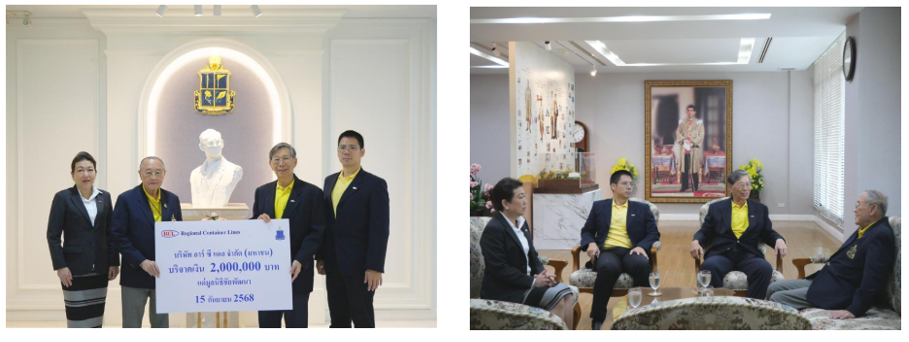
Law Violation Incidents
Number of Incidents — Introduction
There were no Legal or Regulatory Violations Related to Social and Human Rights Issues in 2025.
Law Violation Incidents
| Metric | Current Year | Previous Year | Two Years Ago |
|---|---|---|---|
| The total number of cases or incidents of significant violations of laws or regulations regarding social and human rights (Cases) | 0 | 0 | 0 |
| The total number of cases or incidents that cause significant labor disputes (Cases) | 0 | 0 | 0 |
| The total number of cases or complaints related to consumer rights violations (Cases) | 0 | 0 | 0 |
| The total number of cases or complaints related to partner rights violations (Cases) | 0 | 0 | 0 |
| The total number of cases or incidents that cause disputes with the community/society (Cases) | 0 | 0 | 0 |
| The total number of cases or incidents related to cyber security or customer data breaches (Cases) | 0 | 0 | 0 |
| The total number of cases or incidents related to safety and occupational health at work (Cases) | 0 | 0 | 0 |